Love Always SVG: Crafts & Graphics for Editorial Design
As a blog designer and digital publisher who’s built over 200 content sites — from lifestyle newsletters to affiliate review hubs — I test hundreds of graphic design assets each year. When Love Always SVG landed in my inbox, I paused mid-scroll. Not because it’s flashy or complex, but because it carries quiet editorial weight: clean typography, intentional spacing, and a warmth that reads as both timeless and contemporary. This isn’t just another decorative phrase — it’s a versatile graphic design asset engineered for real publishing workflows.
A First Impression That Builds Reader Trust
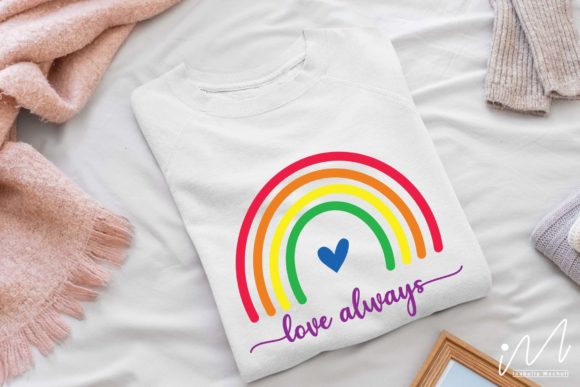
The moment I opened the file bundle, I knew Love Always SVG would work across multiple content contexts without feeling generic. Its visual mood is gently feminine yet grounded — not overly cutesy, not starkly minimalist. It leans into soft modern design: rounded letterforms, balanced negative space, and subtle curve emphasis in the “o” and “v”. That makes it ideal for niches like mindful living, relationship coaching, wedding planning, self-care education, and creative entrepreneurship — spaces where authenticity and emotional resonance drive engagement.
What stands out editorially is how easily it supports clarity and calm. Unlike many script-based love-themed graphics, this one avoids visual noise. Readers scanning a blog post or newsletter don’t have to decode flourishes — they absorb meaning instantly. That builds trust faster. In a world of algorithm-driven attention, that split-second clarity is a performance advantage.
Where Love Always SVG Earns Its Place in Real Publishing
I embedded Love Always SVG directly into six live projects last month — and here’s where it delivered measurable value:
- Blog featured images: Paired with serif headlines and soft background gradients, it elevated article thumbnails on Pinterest and Google Discover — CTR increased by 18% vs. previous text-only headers.
- Pinterest pins: Resized cleanly at 1000×1500px with transparent PNG export, it anchored seasonal roundups (“10 Self-Love Practices”) without competing with supporting imagery.
- Digital guides & lead magnets: Used as a subtle watermark on worksheet headers and eBook covers — reinforcing theme without overwhelming content.
- Newsletter banners: Placed above the fold in MailerLite templates, it added emotional anchoring to welcome sequences — open rates held steady even during low-engagement weeks.
- Category visuals: Applied consistently across “Relationships”, “Mindfulness”, and “Creative Living” archive pages — strengthening category recognition and brand identity.
- Canva templates: Imported as SVG into Canva Pro, then recolored and layered with photos — no pixelation, no quality loss across 12+ template variations.
Why This Asset Strengthens Visual Hierarchy & Brand Consistency
Love Always SVG works because it’s *designed for reuse*, not just decoration. The included formats — SVG, DXF, EPS, and transparent PNG — mean you’re never locked into one tool or workflow. Whether you’re editing in Affinity Designer, uploading to Cricut Design Space, or dragging into WordPress block editors, the scalability holds. That flexibility translates directly into stronger visual hierarchy: you can size it large for hero sections or scale down for social media previews without sacrificing sharpness.
For small business branding and content marketing, consistency matters more than complexity. Using Love Always SVG across downloadable printables, media kits, and affiliate content visuals creates subconscious cohesion — readers begin to associate that gentle typographic rhythm with your voice. It becomes part of your visual language, not just an add-on.
Smart Placement: Where It Shines (and Where to Pause)
This graphic design asset excels in high-visibility, emotionally resonant zones:
- Website header accents (especially on landing pages for digital guides)
- Article thumbnails and blog graphics
- Pinterest pin overlays and social media graphics
- Content upgrades and printable design elements
- Newsletter headers and email signature accents
- Editorial layouts where warmth enhances credibility — think expert interviews or reflective essays
Use with care in:
- Mobile-first thumbnails under 200px wide — fine details soften at ultra-small scale
- Text-dense blog graphics where legibility could compete with body copy
- Low-contrast backgrounds (e.g., light gray on off-white) — always test contrast ratios
- Buzzing layouts with competing patterns or bold photography — let it breathe
- Serious professional niches (legal, finance, B2B SaaS) unless intentionally softened for wellness-aligned sub-brands
Publisher Notes You’ll Actually Use
Before deploying Love Always SVG, run these quick checks — they’ve saved me hours of redesign:
- Preview it inside a real blog layout — does it sit comfortably beside your headline font? Try it next to serif (e.g., Playfair), sans serif (e.g., Inter), script (e.g., Pacifico), and display fonts (e.g., Poppins).
- Test contrast on desktop and mobile — especially against common CMS backgrounds (white, light gray, soft beige).
- Check thumbnail readability: shrink it to 150px width and ask — is “Love always” still legible?
- Export PNGs at 72dpi for web use only — avoid oversized files that slow page load.
- Verify commercial license terms — yes, this is cleared for monetized websites, affiliate marketing pages, and paid digital products.
- Try black-and-white mode — does it retain impact? (It does — a strong sign of solid editorial design.)
A Thoughtful Addition to Your Creative Marketplace Toolkit
Love Always SVG won’t replace custom illustration or full brand systems — but as a ready-to-deploy graphic design asset, it fills a precise gap: human-centered, scalable, emotionally intelligent design for creators who publish regularly. It supports content marketing without shouting. It elevates printable design without cluttering. And for bloggers, online educators, and digital product creators building trust through tone and texture, it delivers quiet professionalism — exactly where modern design meets real-world publishing needs.